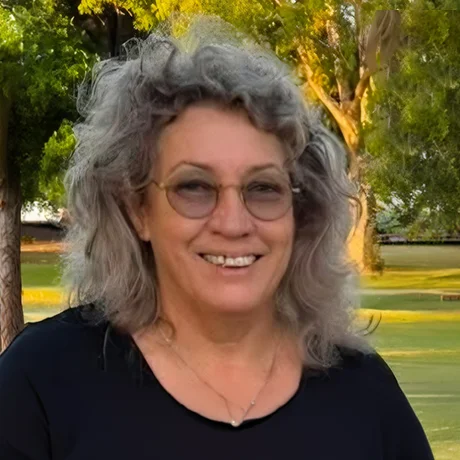
Hello, I am Cindy, Community Education Facilitator for the Housing Older Women’s Support Service in Mackay.
Currabubula, a small town around 30 kilometres from Tamworth in New South Wales, is where I grew up. Today, the population sits at around 339 people, though when I lived there it was closer to 100. Despite its size, it holds a deep history and connection to Country.
The name Currabubula is derived from the Kamilaroi (Gamilaraay) language. Early European settlers adapted the original word “Carrobobella,” which over time evolved into Currabubula. The name refers to a permanent spring in the area, something I’ve always found ironic given the region’s harsh droughts. I still remember my parents drilling a bore more than 2,000 feet deep before they finally found water.
The Traditional Custodians of the land in and around Currabubula are the Kamilaroi, or Gamilaraay, people, whose connection to the area stretches back thousands of years.
Just 27 kilometres away is Caroona Mission, now known as Walhallow. Growing up, there were unspoken protocols and understandings between the local community and the mission residents. We were always taught that you didn’t enter the mission without consent or an invitation. Likewise, when the mission bus arrived at the local hotel, an Elder, usually male, would first speak with the publican before anyone else stepped off the bus.
The men did not enter the main bar, while the Elder women would sit in the ladies’ lounge and others gathered in the beer garden. Alcohol was never sold to them. As a child, I never questioned these customs. It was simply the way things were. Looking back now, I recognise these moments as part of a much broader and more complex history of segregation, control, respect, and resilience.
Once a year, the community came together for the Black and White Ball, where locals and mission residents shared an evening of music, dancing, and connection. It stood out as a rare moment of unity and celebration across communities.
The history of Caroona Mission reflects many chapters of Aboriginal history in the Liverpool Plains region. Established as an Aboriginal reserve in the late 1800s, many Mooki and Gamilaraay people were relocated there under the control of the Aboriginal Protection Board. Despite the discrimination and restrictions faced by residents, many Aboriginal men from the mission volunteered to serve in the Australian Imperial Force during World War I.
In 1934, the “Gate of Memory” was unveiled to honour these servicemen, becoming one of the first memorials in Australia dedicated solely to Aboriginal soldiers. In the decades that followed, the reserve’s control was gradually returned to the community, with the land officially transferred to the Aboriginal Lands Trust in 1973.
Today, Walhallow remains a strong Aboriginal community, with the Walhallow Local Aboriginal Land Council continuing to care for the land, preserve cultural heritage, and support future generations.
Reflecting on the history of Currabubula and Walhallow during National Reconciliation Week reminds me how important it is to listen to lived experiences, acknowledge the truths of our shared history, and continue learning from the communities and Country around us.
As part of the Footprint celebration of National Reconciliation Week, we challenged all our staff to research the Traditional Custodians of the land which was special to them. It could be where they were born, or for those who have made Australia their home, it could be where they live or work, or just love to visit.