On 26 March, we recognise International Social Prescribing Day, a global celebration of the people, organisations, and communities working together to improve health and wellbeing through connection.
What is a Social Prescribing?
Social prescribing is an approach that helps people access non-medical support within their community, such as social groups, physical activities, volunteering opportunities, or wellbeing programs. By connecting individuals to local services and community activities, social prescribing helps address social isolation, improve mental wellbeing, and support healthier, more connected communities.
Programs like Social Health Connect, funded by Brisbane North PHN, support this approach by linking people with the social and community supports that can make a real difference to their health and quality of life.
How Social Health Connect began
Social Health Connect was established to address the growing recognition that many health challenges are linked to social factors such as loneliness, isolation, and unmet community needs. Research shows that up to 20% of people visit their GP for issues that are primarily social rather than medical.
Funded by Brisbane North PHN, the Social Health Connect program was introduced in the Moreton Bay North region as a social prescribing initiative. The program supports GPs and health professionals to connect people with local community activities, services, and supports that can improve wellbeing, increase social connection, and address the underlying social factors affecting health.
By linking individuals to meaningful community resources, Social Health Connect helps improve mental and physical wellbeing while reducing reliance on traditional health services.
Who can access Social Health Connect?
Social Health Connect supports adults aged 18 years and over who are residing in Caboolture, Kilcoy and Redcliffe regions and experiencing unmet social needs that are negatively impacting their health and wellbeing, such as social isolation or difficulty connecting with community supports.
Referrals can be made by GPs, health professionals, or community organisations, and individuals can also enquire about the program. To learn more about how to refer, download the referral form, and view submission instructions, please visit: https://www.footprintscommunity.org.au/services/social-health-connect/
The Social Health Connect team works alongside participants to connect them with local activities, services, and supports that strengthen wellbeing and community connection.

Nicola’s Story
Nicola joined the Social Health Connect program while experiencing significant PTSD symptoms, low confidence, and social isolation. At the time, she was living in unstable housing and was not connected to services or community supports. She engaged with the program to improve her wellbeing and reconnect with her community.
Nicola wanted to improve her mental health and confidence while reconnecting with others and developing a more meaningful daily routine. She also aimed to engage with supportive services and activities that could strengthen her independence and sense of belonging.
With support from her Link Worker, Nicola connected with an online DBT group, a weekly community lunch at the Women and Girls Health Hub, and a women’s creative movement focus group through CADA. Through these activities she gradually built relationships, accessed additional supports, and began engaging more confidently within her community.
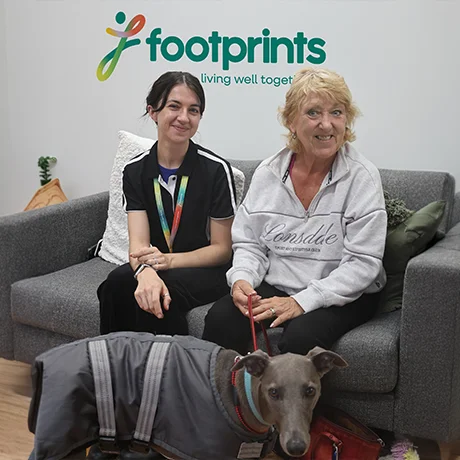
Over time, Nicola developed greater confidence and began independently managing her supports by contacting services and following up herself. She formed friendships, engaged regularly in community activities, and moved into more stable housing. Her dog, Zippy, who is being trained as an emotional support dog, has also played an important role in supporting her wellbeing.
Initial barriers included low confidence, trauma symptoms, and limited awareness of available services. Consistent, flexible support and introduction to small, welcoming community activities helped build trust and gradually increase engagement.
Through Social Health Connect, Nicola moved from isolation and instability to confidence, community connection, and improved wellbeing. Her story highlights how the right support and access to local activities can empower individuals to rebuild their lives and thrive.
More SHC client success stories
I was feeling alone and unheard. I felt like there wasn’t anyone to talk to about my situation – even my relatives. I was crying when I met and spoke to my link worker about what I was going through, and she was very empathic. She helped me fill in a referral form. And has helped me ever since.
Life is a lot easier, less stressful and I feel I can cope with changes to my husbands health as they come around.
Before I started with Social Health Connect I was feeling pretty bleak. There was nothing to look forward to, nothing meaningful. I was missing meaningful interactions with people and the opportunity to create new memories.
I met my Link Worker, Megan, at a craft group. After learning about the program, she helped me sign up. It was great to meet someone who was authentic and truly cared. She’s not just doing a job. I’m not feeling as down as before.
The small positives have lifted my spirits and I’m more willing to try new things. I’m also learning to pace myself with my chronic health condition and to keep trying. Before, I had given up. Now I can see hope.
Day to day I experienced chronic loneliness and disconnection. I had also just come out of a four-month psychiatric hospital admission. I don’t remember exactly how I first became connected with my Link Worker, but we had an instant rapport. As we continued working together, I felt safe, heard, and understood. I felt validated and reassured, and encouraged to take the risk of being vulnerable around other people for the first time in my life.
For example, I shared my mental health challenges with some people in my community and they offered their support if I ever needed it. My neighbour even offered for me to spend time with their gentle greyhound, Dala, as a form of dog therapy. One day over Christmas I felt myself spiralling, so I rang my neighbour and was able to spend several hours with Dala. The company really helped.
I still experience bouts of loneliness, but now I have strategies and supports to manage it. If I acknowledge the feeling early and use the tools my Link Worker has given me, reach out to friends, or attend activities, the feeling passes.
Expressing my feelings has always been difficult, but when I do, I experience less anxiety. I’ve also found dog therapy to be incredibly helpful in managing my anxiety.