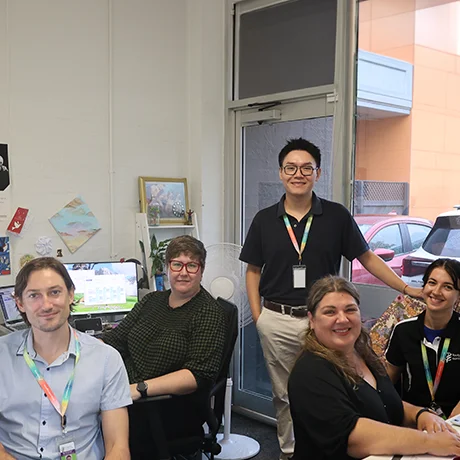
Social Health Connect is a social prescribing program, to assist GPs, health workers, and other community services to provide holistic care and address some of the non-medical factors which can impact the health of patients experiencing loneliness and social isolation.
It began as a trial program delivered by Footprints Community and its 12-month success has been evaluated by the University of Queensland Department of Psychology. The results have been positive and ensured the continuation of the program, and the valuable services it provides to the community.
Social prescription is a non-medical process that links individuals to community services, groups, and activities to address their unmet social needs and improve their health.
The overall health of a person is often influenced by non-medical factors such as education, income, job security, housing and environment, access to affordable health care, and social inclusion.
These types of programs therefore include assistance to overcome multiple and complex barriers to an individual’s social participation and provide connections to other services able to provide wrap around support focused on these factors or “social determinants”.
How does the Social Health Connect program work?
When a client is referred to the Social Health Connect program, they are assigned a link worker, who will work closely with them to determine their goals toward better health and potential barriers which may prevent them from achieving these goals.
Clients were matched with a diverse range of community groups to increase their socialisation. This included fishing groups, gardening clubs, Men’s and Women’s sheds, educational programs and physical activities such as boxing, swimming and Thai chi. On average, clients received approximately 4 group referrals.
Clients also received referrals to other external services that could aid in overcoming barriers or help to achieve other social goals. Some of these included counselling, NDIS support, legal and employment services, and even optometry.
The UQ evaluation found that before joining a group, the clients required between 8 and 9 meaningful interactions with their link worker. On average clients had 44 total contacts with a link worker, which highlights the amount of work required by link workers to overcome client barriers and achieve success in group attendance.
Program Results
Client Impact
After exiting the program, clients showed a significant increase in satisfaction ratings for all three areas of physical, psychological and social health, as well as a significant reduction in feelings of loneliness and isolation.
Yes, my mental health has been a lot better. Because, before the [link worker] came, my mental health was pretty bad. Because I just couldn’t see a way out, and I couldn’t see a way of getting help. I was scared of answering the phone, but I had to. And I was scared that the next letter from housing would be to “get out”. My blood sugar was high, and it’s come down now. – Client
Quality of life was measured for clients using a score from 0 – 100%, where 100% is the best possible wellbeing. At entry to the program, clients were scoring an average of 36%. At exit, this had significantly increased to 49.5%. Levels of psychological distress also showed a significant improvement, with clients showing lower levels of mental distress after completing the program.
Clients appreciated that their link worker had provided them with a safe space to work through their barriers. Importantly, several clients described that their link worker was constantly exposing them to new social settings. It was particularly valued by clients that their link worker was joining them through this process which allowed them to feel capable to go outside their “comfort zone”.
It’s certainly had a positive impact on mine. Certainly, by having someone who’s very personable, who’s taken an interest in me and who has gone to a lot of trouble to find any groups I could go to. – Client
Referrer Impact
Referrers to the program (such as GPs) all recognized the value in increasing social connections and breaking down barriers to social engagement for their patients. Many of the referrers work with people experiencing significant mental health issues, which impact social interactions and increase loneliness and isolation.
What I do know is that these people have stopped coming into the emergency department expressing suicidal ideation. So, that to me says that they’re feeling more connected with their communities, and they have some support [which] is one of the driving factors of reducing their suicidality in presentations. – Referrer
From my perspective, it’d be more the patient’s ability to self-advocate for herself, being more aware of what she’s eligible for and what she can access. And speaking up for herself, feeling empowered… And the patient can then self-advocate for herself and say, oh no, I’d like this. So yes, they’re the positives that I have noticed so far that have come out of it. – Referrer
Conclusion
The Social Health Connect program is so far showing effectiveness in connecting clients with appropriate social groups and community services. Link workers appear very capable of overcoming clients’ barriers to joining social activities, with clients overwhelmingly reporting the program is valuable, unique, and having a positive impact on their loneliness, health and wellbeing.
Referral to and delivery of the program was rated as highly appropriate and acceptable by clients, group facilitators, and referrers in the area.
_________________________________________________________________________________________
Read the full evaluation report.
Read more about What is Social Prescribing.
Read more about our social prescribing programs: